Church End oven cleaning and deep kitchen degrease in Willesden
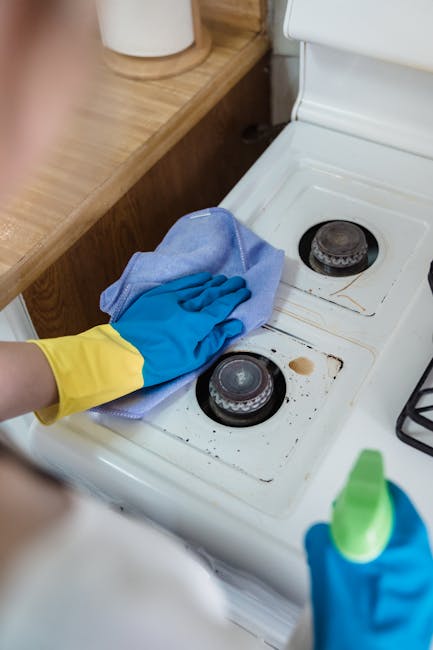
If your oven door has gone cloudy, the extractor feels greasy to the touch, and the kitchen seems to pick up a film no matter how often you wipe it, you are probably past the stage of a quick clean. Church End oven cleaning and deep kitchen degrease in Willesden is the kind of service that resets the whole room, not just the appliance. It is about getting rid of baked-on grease, burnt spills, heavy food residue, and the stubborn kitchen buildup that slowly makes cooking less pleasant. Truth be told, most people do not notice how far things have slipped until the hob, tiles, and cupboard fronts all start telling the same story.
This guide explains what a proper oven clean and deep kitchen degrease involves, why it matters for homes and landlords in Church End and wider Willesden, how the process works, and what good results should look like. You will also find a checklist, a comparison table, practical tips, and a few realistic things to watch out for. If you are deciding whether to book a professional clean or tackle the job yourself, this should make the choice much clearer.
Why Church End oven cleaning and deep kitchen degrease in Willesden Matters
A kitchen can look tidy at first glance and still carry a surprising amount of grease. Oven interiors trap splatter. Trays collect carbonised debris. Hob surrounds pick up oil mist. Cupboard handles and splashbacks quietly build a sticky layer, especially if the kitchen gets a lot of daily use. In a busy household, that buildup can happen faster than you think. One week it is just a light haze; a month later you are wondering why the room smells a bit burnt even when nothing is cooking.
There is also a practical side that people often miss. Grease is not only unattractive, it can make surfaces harder to maintain, affect cooking performance, and leave lingering odours in a compact kitchen. In smaller Church End homes, where the kitchen often doubles up as a prep area, dining spot, and general family hub, a deep clean can make the whole place feel lighter and more usable. That matters if you are trying to keep on top of a rental property, preparing to sell, or simply wanting your own space back.
And yes, it is about hygiene too. Kitchen grease tends to hold onto crumbs, dust, and smoke residue. That creates the sort of grime that becomes harder to remove with every week you delay. The longer it sits, the more elbow grease is needed. No one enjoys that. Not even a little.
For people comparing household cleaning services more broadly, it can help to think of oven work as part of the same careful, detailed approach used in thorough carpet care or upholstery cleaning: the aim is not just to make something look a bit better, but to restore it properly and safely.
How Church End oven cleaning and deep kitchen degrease in Willesden Works
A proper oven clean is more than a quick wipe with a supermarket spray. The best results usually come from a methodical process that breaks the job into zones. First, the oven is switched off, cooled, and inspected. Then removable parts are taken out and treated separately. Racks, shelves, trays, and sometimes fan covers are soaked or brushed to loosen burnt-on material. That step alone can save a lot of time later.
The inside of the oven is then cleaned using products and tools suitable for the surface. Different ovens call for different handling. Enamel, stainless steel, glass, and sealed components all need careful attention. The goal is to remove carbon, grease, and food residue without scratching the finish or damaging seals. On stubborn deposits, the operator may need to repeat the process rather than forcing it. That patience matters. Rushing usually leaves streaks, or worse, marks.
A deep kitchen degrease goes wider. It normally includes:
- hob and surrounding surfaces
- splashbacks and tiles
- extractor hood and filters, where accessible
- cupboard fronts and handles
- worktops, kickboards, and appliance exteriors
- greasy touch points around bins, switches, and high-contact areas
The better the clean, the more even the room feels afterwards. You notice the smell first, usually. Then the light on the surfaces. Then the fact that your cloth no longer turns grey after a single swipe. That is the kind of result people are actually after.
For households that also want to freshen adjacent soft furnishings after a kitchen overhaul, services such as steam carpet cleaning and curtain cleaning can help remove the lingering cooking odours that sometimes cling to fabrics.
Key Benefits and Practical Advantages
The first benefit is obvious: a cleaner kitchen looks better. But the real value goes deeper than appearances. A proper oven cleaning and degrease routine can improve day-to-day usability, reduce the time you spend on maintenance, and make cooking feel less of a chore. To be fair, most people do not mind a little housekeeping; they mind a job that never seems to end.
Here are the main practical advantages:
- Better cooking performance: Excess residue can make the oven harder to maintain and less pleasant to use.
- Less smoke and odour: Burnt fat and old spillage are common sources of kitchen smells.
- Improved hygiene: Grease attracts dirt and makes surfaces harder to keep clean between visits.
- Time saved: Once heavy buildup is removed, normal cleaning becomes much quicker.
- Better presentation: Useful for move-out checks, property viewings, and general pride in the space.
- Less wear on surfaces: Regular deep cleaning can help prevent grime from becoming stubborn and abrasive.
There is also a small but real emotional benefit. A clean kitchen changes how a home feels. You feel more inclined to cook. You feel less embarrassed when someone pops round. And if you are staring at a grimy oven after a long day, well, it is one of those jobs that quietly weighs on you.
Expert summary: If the grease has spread beyond the oven and into surrounding surfaces, you are no longer looking at a quick tidy-up. You need a structured deep degrease that resets the whole cooking area, not just the appliance.
Who This Is For and When It Makes Sense
This service is useful for a lot of people, not just households with a heavily used oven. In fact, some of the most suitable cases are the ones where the signs are easy to ignore. A family kitchen with daily cooking, a rental flat between tenancies, a landlord trying to present a property properly, or a busy shared household all benefit from a reset. Commercial settings can too, although the exact requirements are usually different and more frequent.
You may want to book oven cleaning and deep kitchen degreasing if:
- the oven has burnt-on residue you cannot shift with normal products
- the hob area feels sticky even after cleaning
- cupboards or splashbacks have visible grease mist
- there is a lingering cooking smell that keeps returning
- you are preparing for a tenancy handover
- you want the kitchen looking right before visitors, photos, or a special occasion
- you have tried DIY cleaning and the result is patchy at best
Sometimes people wait until the oven is almost unusable. That is understandable, but it makes the job harder. If you can still smell old grease when the oven heats up, or see dark patches on the door glass, that is usually the moment to act.
For landlords and managing agents, the deep clean can form part of a wider property refresh. It often pairs well with soft furnishing or floor care, such as rug cleaning or sofa cleaning, when a property needs to feel presentable quickly.
Step-by-Step Guidance
If you want to understand what a strong oven clean and kitchen degrease should look like, it helps to break it into clear stages. That way, you can assess whether the work is thorough rather than just shiny on the surface.
- Inspect the kitchen
Look at the oven, hob, splashback, extractor, cupboard fronts, and high-touch zones. A good clean starts with knowing where the grease has travelled. - Protect nearby surfaces
Items that should not get wet or chemical contact are moved or covered. This is especially important near sockets, controls, and delicate finishes. - Remove and treat detachable parts
Racks, trays, and filters are usually handled separately so the heavy grime can be loosened properly. - Degrease the main surfaces
Grease-cutting products and safe agitation techniques are used on the oven interior, hob, extractor exterior, splashbacks, and cabinet fronts. - Detail the awkward spots
Handles, edges, seals, and corners are where grime hides. This is also where rushed cleaning shows up most clearly. - Rinse, wipe, and dry
Residue is removed and surfaces are finished cleanly, leaving no sticky film behind. - Check the final result
A proper finish should look even, feel dry, and smell clean rather than overly perfumed.
Small detail, but important: if the kitchen is especially greasy, the cleaning may need more than one pass. That is normal. Real degreasing is not always instant. Anyone promising miracles in ten minutes is probably selling a story, not a result.
Expert Tips for Better Results
A few practical habits can make a huge difference between a kitchen that stays manageable and one that keeps drifting back into grease city. Here are some that tend to work well in real homes, not just in theory.
- Keep on top of extractor filters: They gather airborne grease faster than people realise. If the filter is clogged, the rest of the room often follows.
- Wipe warm, not scorching hot: Light residues are easier to remove after cooking, once surfaces are safe to touch.
- Use the right cloths: Microfibre helps lift residue, but only if you rinse or replace it before it spreads the grease around.
- Do not mix products: It sounds basic, but kitchen cleaning shortcuts can create fumes or damage finishes.
- Work top to bottom: Otherwise, you clean the splashback and then knock grime back onto it from the cupboard above. Annoying, and very avoidable.
- Be realistic about finish types: Gloss, matte, stainless steel, and painted cupboards all respond differently. A one-size-fits-all approach is usually messy.
If you are balancing kitchen cleaning with other jobs, a practical sequence is to deep clean hard surfaces first, then move to fabrics and floors. That can help stop grease and dust from travelling back into freshly cleaned areas. People often forget that part.
And if the oven has left nearby upholstery or fabrics holding onto smells, it can make sense to look at stubborn odour removal style solutions for soft surfaces, even when pets are not involved. Cooking smells can linger in similar ways.
Common Mistakes to Avoid
Kitchen degreasing is one of those jobs where a few small mistakes can waste a lot of effort. The good news is they are easy to avoid once you know what to look for.
- Using too much product: More is not better. Too much cleaner can leave a residue that attracts dirt.
- Scrubbing aggressively on delicate surfaces: This can dull finishes or scratch glass and enamel.
- Ignoring hidden grease zones: The extractor, undersides of cupboards, and the area behind appliances are common culprits.
- Cleaning only what is visible: Shiny front-facing panels can hide sticky buildup around edges and handles.
- Leaving residue behind: If surfaces feel tacky after cleaning, the job is not truly finished.
- Waiting too long between cleans: Old grease gets harder to remove and may need specialist treatment.
One of the most common things people say is, "I cleaned it last month." Fair enough. But if the grease source is still active, the kitchen will not stay clean for long. That is just how cooking spaces behave.
Tools, Resources and Recommendations
The right tools make the work easier, safer, and much more effective. For most deep kitchen degrease work, you would expect a combination of soft cloths, non-abrasive pads, grease-cutting cleaning solutions, detail brushes, protective gloves, and absorbent towels. For oven interiors, specialist tools may also be used to reach around seals, hinges, and corners.
If you are doing light maintenance between professional visits, keep a small kit handy rather than relying on one all-purpose spray. A basic setup might include:
- microfibre cloths in more than one colour, so you do not cross-contaminate areas
- a gentle degreaser suited to kitchen surfaces
- a non-scratch pad for stubborn spots
- gloves for comfort and skin protection
- paper towels or dry cloths for the final finish
It also helps to match the cleaning approach to the rest of the home. For example, if you are already arranging mattress cleaning or targeted stain removal, it may be sensible to book kitchen and soft furnishing work in the same visit window. That keeps disruption down and makes the whole place feel properly refreshed.
For wider domestic care, some customers also line up rug cleaning or steam carpet cleaning after kitchen work so the full home reset feels complete rather than half done.
Law, Compliance, Standards, or Best Practice
For household oven cleaning, there is usually no special legal complication, but good practice still matters. In any cleaning job, products should be used according to their instructions, surfaces should be treated appropriately, and waste should be disposed of responsibly. In a home setting, that means avoiding unsafe chemical mixing, keeping electrical fittings dry, and making sure slippery floors are dried properly.
In rented properties, a kitchen deep clean can be part of sensible tenancy handover practice. The exact obligations depend on the agreement and the condition of the property, so it is always better to rely on clear documentation and reasonable expectations rather than assumptions. That goes both ways, by the way. Good records save arguments later.
For commercial kitchens or food-preparation environments, expectations are naturally stricter. Equipment, ventilation, and surfaces need to be handled with care, and there may be separate hygiene or safety requirements depending on the premises. If your kitchen is used professionally, it is worth treating the work as a maintenance task, not a cosmetic one.
Reputable cleaning providers should also be able to explain their approach to safety, insurance, and handling procedures in plain English. If a company is vague about that, or rushes past your questions, that is a small warning sign. Nothing dramatic, just enough to pay attention.
Helpful pages on the same site include the health and safety policy, insurance and safety information, and terms and conditions. They are worth checking when you want reassurance about process and expectations.
Options, Methods, or Comparison Table
There is more than one way to deal with a greasy oven and kitchen. The right choice depends on how much buildup you have, how much time you want to spend, and how fussy the finish needs to be. Here is a simple comparison.
| Method | Best for | Strengths | Limitations |
|---|---|---|---|
| Routine DIY wipe-down | Light, frequent maintenance | Quick, low cost, easy to repeat | Not enough for baked-on grease or neglected ovens |
| Heavy DIY degrease | Moderate buildup | Can work well with time and patience | Labour-heavy; risk of streaks or surface damage if rushed |
| Professional oven clean | Stubborn residue, detailed finish | More thorough, less effort for the customer, better for hard-to-reach areas | Requires scheduling and a service budget |
| Full kitchen degrease | Visible buildup across multiple surfaces | Resets the whole room, improves overall feel | Takes longer than a basic appliance clean |
In practice, the strongest results often come from combining methods. A professional clean for the heavy lift, then lighter DIY maintenance to keep everything under control. That is usually the sweet spot.
Case Study or Real-World Example
Here is a realistic example. A family in Church End had an oven with a darkened glass door, sticky cupboard handles, and an extractor that left the kitchen smelling faintly of old frying oil every evening. Nothing was disastrously dirty, but it had reached that point where the room felt tired. They had tried quick sprays and paper towels, but the residue kept coming back. You know the type of thing.
After a proper oven clean and deep kitchen degrease, the difference was not just visual. The kitchen felt brighter at the same time of day, the air smelled cleaner after cooking, and the hob area was much easier to wipe down. The family did not suddenly become spotless people overnight - none of us do - but the room stopped demanding constant attention.
The useful lesson here is simple: when grease has spread beyond the oven, treating only one surface rarely solves the whole problem. Deal with the source, the surrounding surfaces, and the awkward little edge areas, and the result tends to hold for much longer.
Practical Checklist
Use this checklist before booking or carrying out oven cleaning and deep kitchen degreasing.
- Check whether grease is limited to the oven or spread across the kitchen
- Look at the extractor, splashback, handles, and cupboard fronts
- Confirm whether delicate surfaces or special finishes need extra care
- Move food, cookware, and loose items out of the way
- Decide if you want a full kitchen reset or just targeted appliance work
- Ask how removable parts are treated and whether filters are included
- Make sure nearby fabrics or flooring are protected
- Plan enough time for drying and final inspection
- Keep a light maintenance routine afterwards so buildup does not return quickly
Quick takeaway: if the kitchen feels sticky, smells smoky, and looks dull even after regular cleaning, the job needs more than surface wiping. A deep clean is usually the sensible next move.
Conclusion
Church End oven cleaning and deep kitchen degrease in Willesden is one of those jobs that delivers a very visible payoff. It clears the grime you can see, removes the grease you can feel, and makes the whole kitchen easier to live with. Whether you are preparing a property, restoring a busy family kitchen, or simply tired of fighting the same buildup over and over, the right approach can make a proper difference.
The best results come from patience, the right products, careful technique, and a realistic understanding of how much residue has built up. If you keep on top of the hidden problem areas - extractor, splashback, handles, and cupboard edges - the kitchen stays cleaner for longer and feels more comfortable to use day to day.
Get a free quote today and see how much you can save.
And if today's the day you finally deal with that stubborn grease, fair enough. Kitchens are meant to be used, enjoyed, and lived in - not quietly defeated by a layer of old cooking oil.
Frequently Asked Questions
What does oven cleaning and deep kitchen degrease actually include?
It usually includes the oven interior, racks, trays, door glass, hob area, splashbacks, extractor exterior, cupboard fronts, handles, and other greasy touchpoints. The exact scope depends on how much buildup there is.
How often should a kitchen be deep degreased?
That depends on how much cooking you do. A busy family kitchen may need deeper attention more often than a lightly used one. If grease starts appearing on cupboard fronts or the extractor smells stale, it is probably time.
Can I clean a heavily greasy oven myself?
Yes, sometimes. But if the grease is baked on, the oven is neglected, or the surfaces are delicate, DIY cleaning can take a lot of time and still leave patches behind. A professional clean is usually more efficient.
Is oven cleaning safe for enamel and glass doors?
It can be, provided the right tools and products are used. The key is avoiding abrasives and using methods suited to the oven finish. A careful approach matters more than brute force.
Will a deep kitchen degrease remove cooking smells?
It often helps a lot, especially when the smell is coming from old grease on surfaces, extractor parts, or around the oven. Some odours may also linger in fabrics nearby, so the full room may need attention.
How long does the process usually take?
It varies with the condition of the oven and kitchen. A light refresh is quicker than a full heavy-degrease job. If the kitchen has years of buildup, allow longer. Rushing rarely gives a good finish.
What should I do before a cleaner arrives?
Move loose items, clear food away, and make sure the oven and surrounding areas are accessible. If you have delicate finishes or any specific concerns, mention them in advance.
Is this useful for rental properties?
Very much so. A clean oven and grease-free kitchen can make a property easier to hand over, better to view, and more pleasant for the next occupant. It is one of those small details that people definitely notice.
Can I combine this with other home cleaning services?
Yes. Many people combine kitchen work with services like carpet cleaning, rug cleaning, or upholstery cleaning so the whole home feels refreshed in one go.
What is the biggest mistake people make with kitchen grease?
Leaving it too long. Fresh grease is manageable. Old grease becomes sticky, patchy, and stubborn. Once it settles into the corners and edges, the work gets much harder.
Do I need to empty the kitchen first?
Not everything, but surfaces around the oven and greasy areas should be clear enough for proper access. The cleaner can usually work more effectively when there is room to reach corners and edges.
Where can I find more information about service expectations and policies?
Useful supporting pages include the about us page, pricing and quotes information, and contact page if you want to ask questions before booking. The site also provides a recycling and sustainability page for customers who care about how waste and materials are handled.